Skip to product information
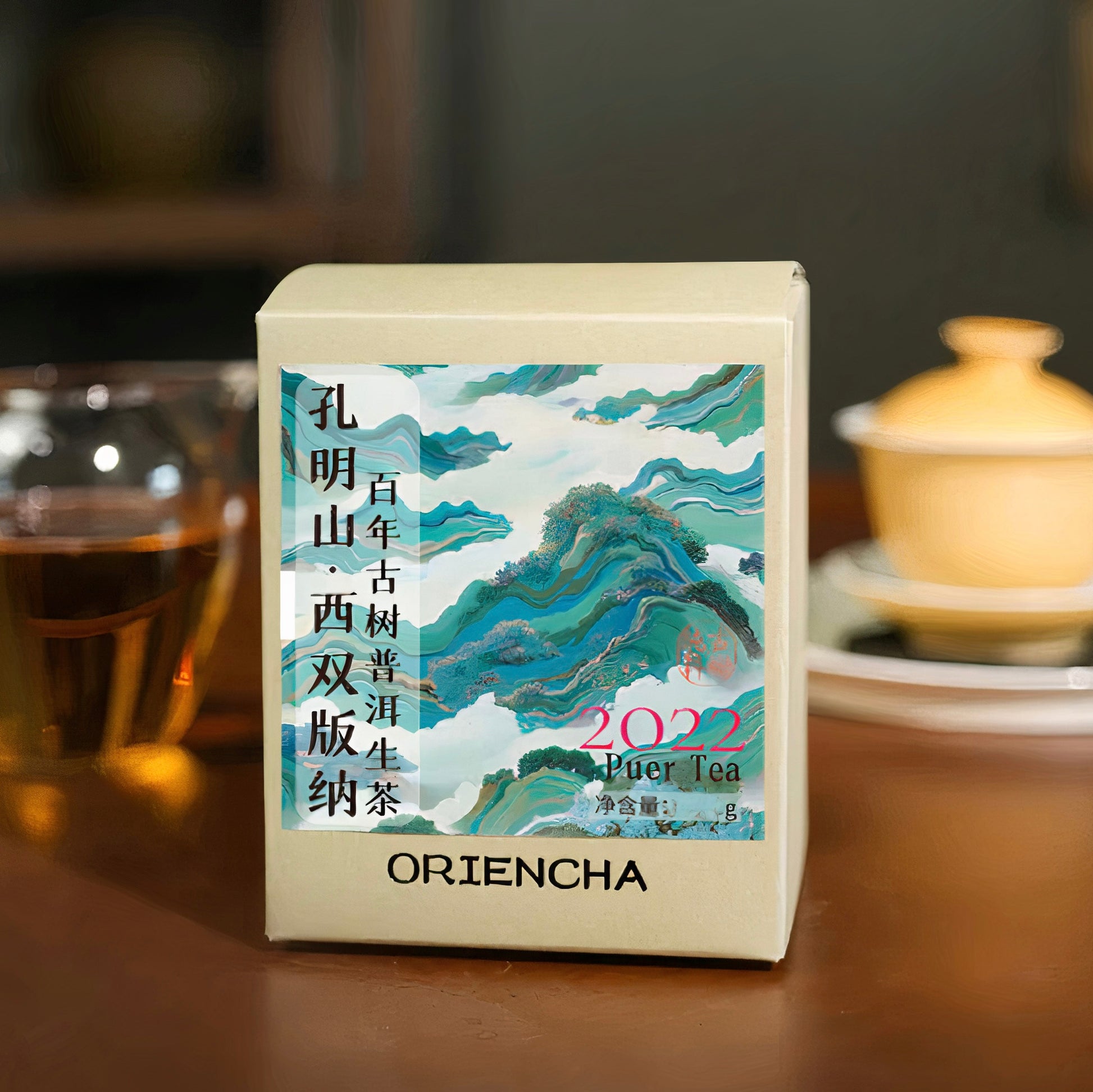
Kongming Mountain – Centuries Old Tree Raw Pu-erh Tea

Kongming Mountain – Centuries Old Tree Raw Pu-erh Tea

$23.00
Shipping calculated at checkout.

This wild ancient tree raw Pu-erh tea comes from Kongming Mountain in Xishuangbanna, Yunnan. It is made from Yunnan medium and small-leaf tea trees harvested in spring 2022. The tea has a smooth and full-bodied character with low bitterness, quick huigan, and a clean yet powerful mountain energy. It is a good choice for tea drinkers who enjoy complex raw Pu-erh with strong returning sweetness, wild character, and aging potential.

The aroma is delicate, refreshing, and deeply wild. Notes of light floral, forest air, mountain herbs, and untamed wilderness rise from the cup. The tea liquor feels silky, smooth, and rich in texture. The taste is layered and complex with gentle bitterness at first sip, followed by fast returning sweetness and lingering huigan. The mouthfeel is full, soft, and moist. A cooling mountain freshness stays in the throat, while the empty cup leaves a long-lasting floral and woody fragrance.

This tea is traditionally crafted using sun-drying techniques common to Yunnan raw Pu-erh production. The leaves are carefully processed to preserve the natural mountain aroma and aging potential of the ancient trees. With aging, the tea becomes mellower, sweeter, and more layered over time. Kongming Mountain carries deep cultural history connected to Zhuge Liang, who is honored locally as the Tea Ancestor. The region continues to celebrate this tea heritage through traditional festivals and ancient tea culture.

Weight
Steeping Guidelines

Traditional Gongfu Style


Use a Gaiwan with a tea-to-water ratio of 1:25. Brew with freshly boiled water at 100°C (212°F). Do not cover with the lid. Pour water in a thin, steady stream directly onto the tea ball. Once the tea begins to open up, pour out the liquor right away—no need to let it steep. The first infusion can be consumed. For the second infusion, avoid pouring water directly onto leaves. Again, do not let the tea steep—pour out the liquor immediately. After each infusion, make sure to pour out all the tea completely to avoid bitterness or astringency.

You may also like