Pu-Erh Tea

Skip to results list
18 items
Sort Featured
Column grid
Column grid

Filter

Sort Featured

Pu-Erh Tea 101

What Is Pu-erh Tea?

Pu-erh tea comes from Yunnan, China, and is traditionally made from Yunnan large-leaf tea. It is generally divided into two main styles: Raw Pu-erh (Sheng Pu-erh) and Ripe Pu-erh (Shou Pu-erh). Both can develop greater depth and complexity over time, but they are processed and aged differently.

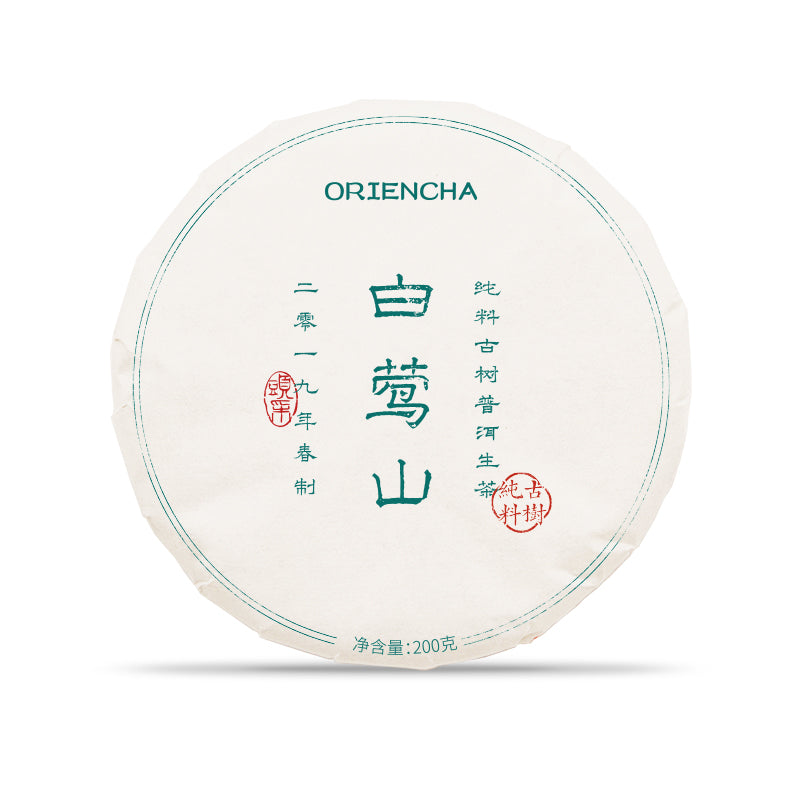
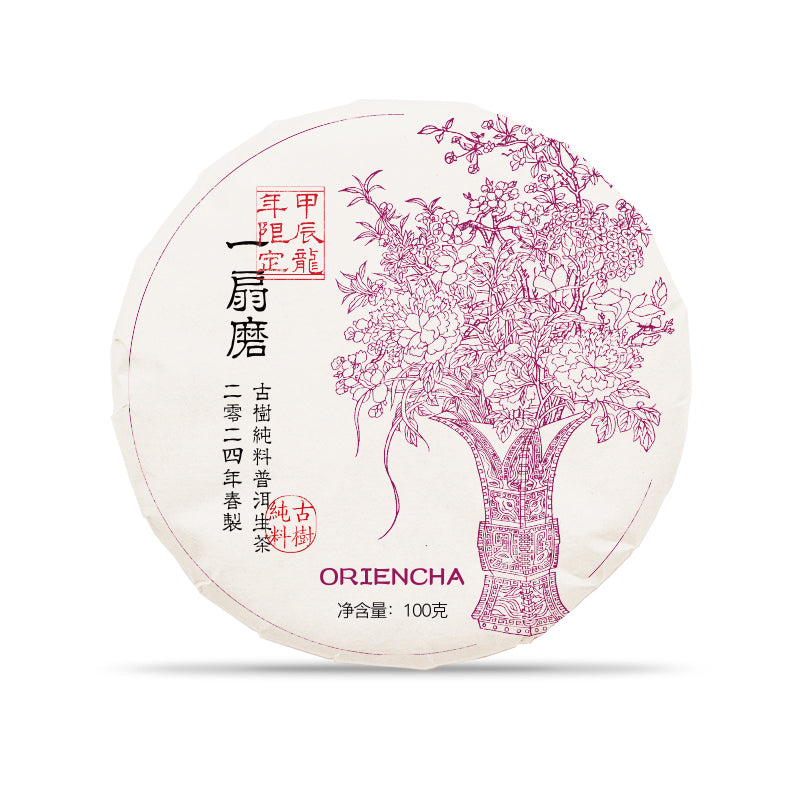
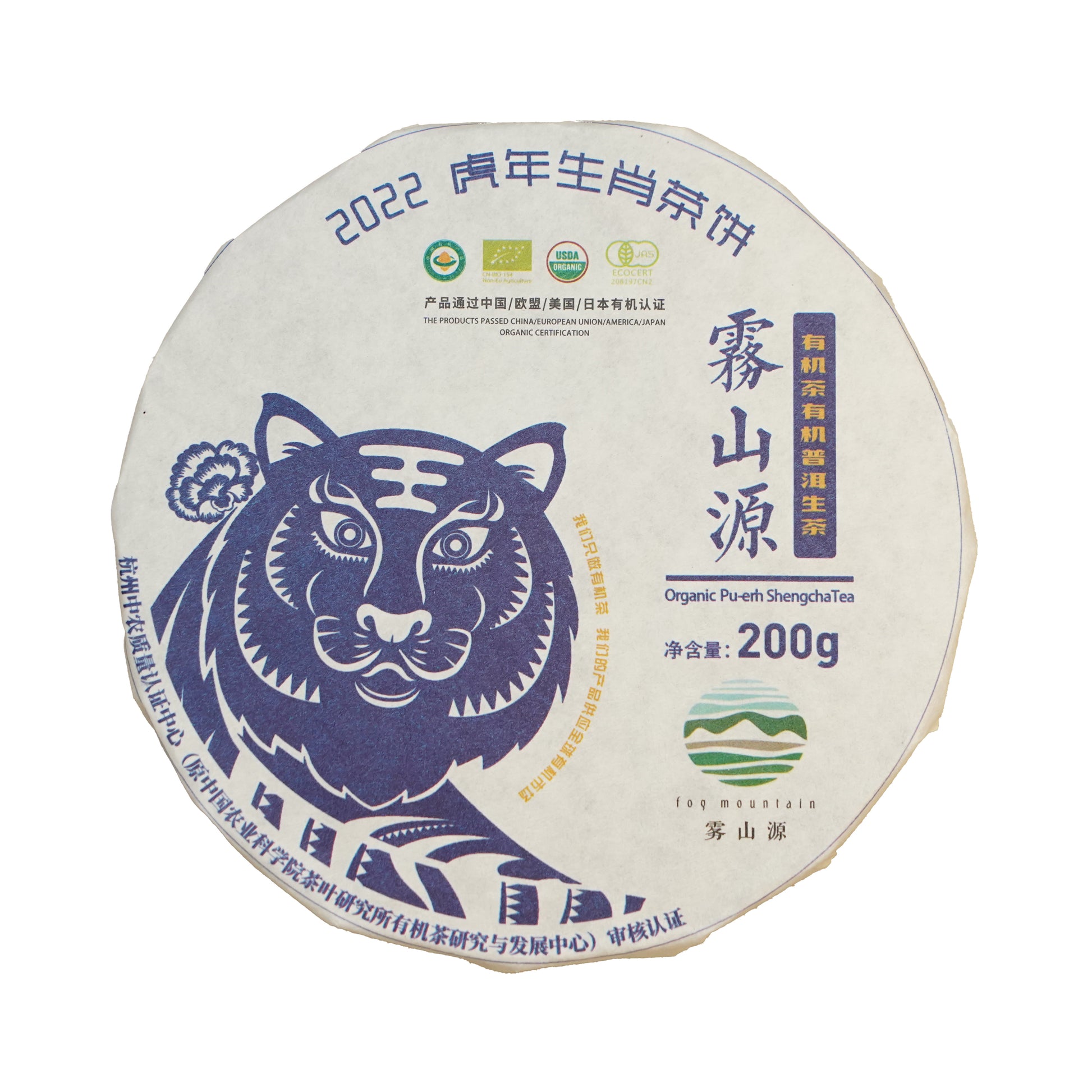
Raw Pu-erh (Sheng) is made by pan-firing, rolling, and sun-drying the fresh tea leaves, without the artificial wet-pile fermentation used to make ripe Pu-erh. Young raw Pu-erh is often fresh and aromatic, with floral, fruity, vegetal, or honeyed notes, a bright yellow-green liquor, and a lively, lingering finish. With proper storage, its character can gradually transform over time, becoming smoother, deeper, and more complex.

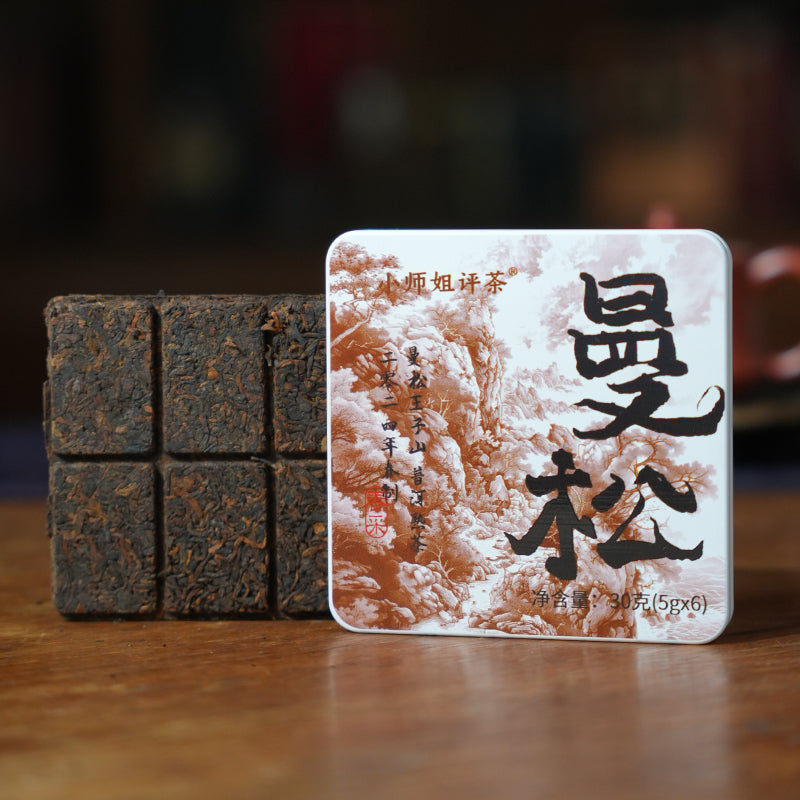
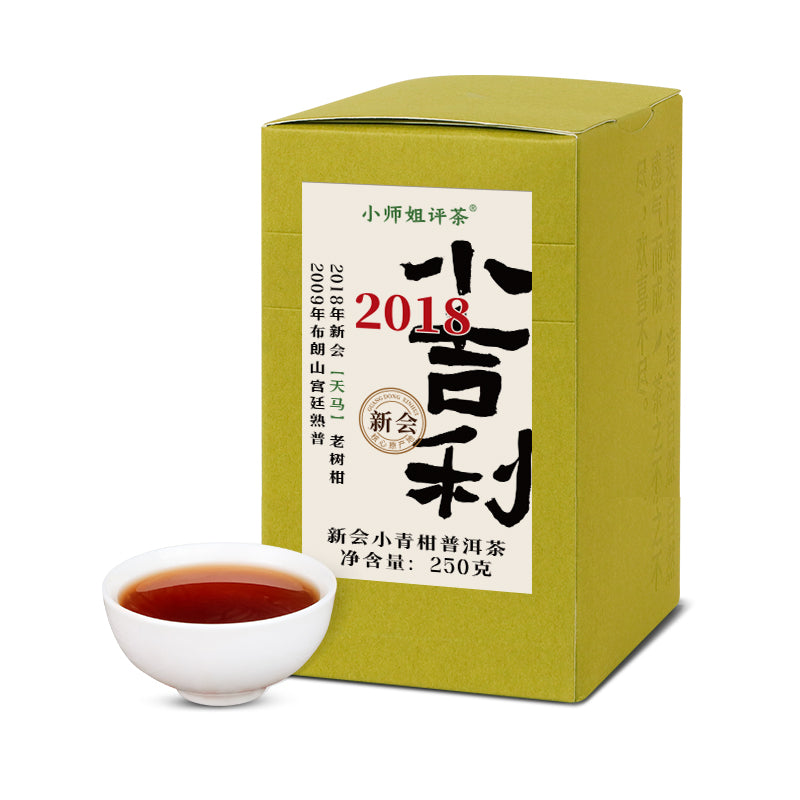
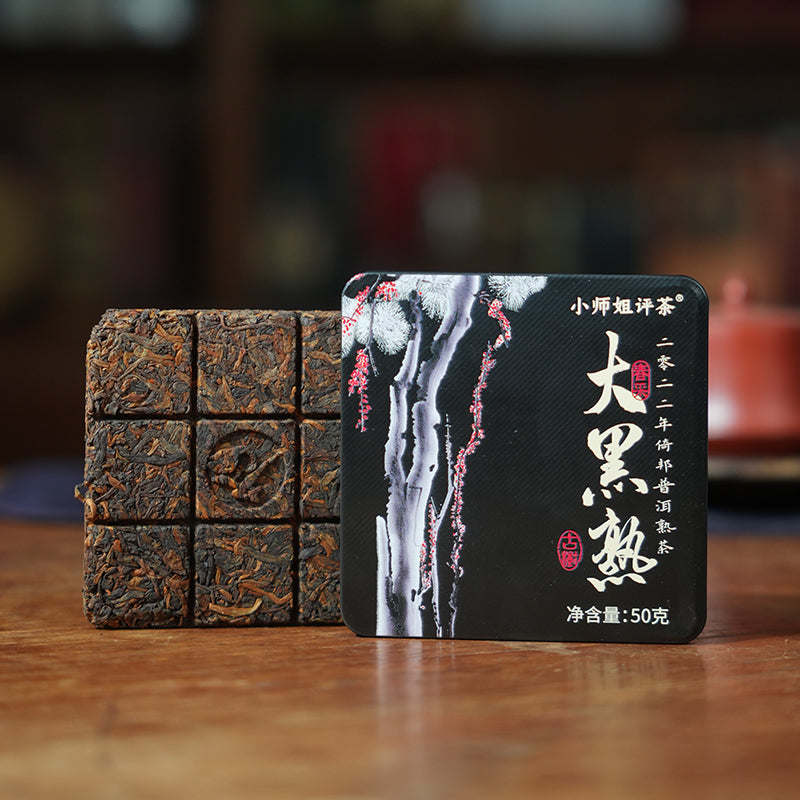
Ripe Pu-erh (Shou) is made from sun-dried Pu-erh material that undergoes controlled wet-pile fermentation (渥堆) to accelerate microbial transformation. It typically produces a darker red-brown liquor with rich woody, earthy, dried-fruit, or aged aromas. The texture is often smooth, mellow, and full-bodied, making ripe Pu-erh a popular choice for everyday drinking.
In simple terms, raw Pu-erh relies primarily on natural aging to develop its character, while ripe Pu-erh uses controlled fermentation to accelerate the transformation process. Both can be excellent teas, but they offer very different drinking experiences.

What Is the Difference Between Raw and Ripe Pu-erh Tea?

Pu-erh tea is a traditional Chinese tea from Yunnan, typically made from Yunnan large-leaf tea. It is mainly divided into two styles: Raw Pu-erh (Sheng Pu-erh) and Ripe Pu-erh (Shou Pu-erh). Although both can develop greater depth and complexity with age, they are made and aged in different ways.

Raw Pu-erh is pan-fired, rolled, and sun-dried without wet-pile fermentation. Young Raw Pu-erh is often fresh and aromatic, with floral, fruity, grassy, or honeyed notes and a bright yellow-green liquor. With proper storage, it can naturally develop a smoother, deeper, and more complex character over time.

Ripe Pu-erh is made from sun-dried tea leaves that undergo controlled wet-pile fermentation (渥堆), which accelerates the aging process. It typically has a darker red-brown liquor and a smooth, mellow character, with notes of wood, dried fruit, dates, or earth.

In simple terms, Raw Pu-erh develops mainly through natural aging, while Ripe Pu-erh uses controlled fermentation to speed up the transformation. The two styles offer distinctly different aromas, flavors, and drinking experiences.

How Do You Brew Pu-erh Tea?

The key to brewing Pu-erh tea is using the right water temperature and controlling the steeping time. A gaiwan or Yixing teapot works well for both Raw and Ripe Pu-erh. For young Raw Pu-erh, use water around 90–95°C (194–203°F) to preserve its fresh character. For aged Raw Pu-erh and Ripe Pu-erh, boiling water can help bring out deeper aromas. A tea-to-water ratio of about 1:15–1:20 works well. For example, use 7–10g of tea for 150ml of water, adjusting the amount to taste.

Before brewing, rinse the gaiwan or teapot with hot water to warm it. Add the tea, pour in hot water, and quickly pour it out after about 5 seconds for the first rinse. For aged tea, the rinse can be repeated once or twice to help open the leaves and release their aroma. Then begin brewing with short infusions. For the first three infusions, steep for about 5–10 seconds, then gradually increase the time by 5–10 seconds as needed.

Pour the tea completely after each infusion and avoid leaving water in the teapot or gaiwan, as this can make the next infusion too strong. Good-quality Pu-erh can often be steeped 8–15 times, depending on the tea and your preferred strength. Adjust the brewing time according to the color, aroma, and flavor of each infusion.

Does Pu-erh Tea Get Better With Age?

Pu-erh tea is great for long-term storage, but only under the right conditions: high-quality raw materials, proper production techniques, and correct storage, as not all teas get better with age. When deciding which tea is worth storing, raw Pu-erh is ideal for long-term collection because its harsh green notes fade after 5 to 15 years and it can reach peak flavor around 20 years, offering incredible room for transformation.

On the other hand, ripe Pu-erh already has a finished profile and tastes delicious once stored for 3 to 5 years for the pile-fermentation scent to disappear, meaning there is no need to purposely age it for decades and making it more cost-effective for everyday drinking.

How to Store Puerh Tea?

The core of storing Pu-erh tea is keeping it away from light, moisture, and odors while maintaining a stable, clean environment. It is generally recommended to keep the temperature between 20–30°C and the humidity at 55%–70%, using suitable storage containers. It is best to have a hygrometer to regularly check the environment and prevent the tea from getting damp due to high humidity.

Storage containers can be chosen based on the tea and storage duration. Cardboard boxes have good breathability and are suitable for long-term and large-quantity storage, but they should not touch the floor or walls directly. Purple clay jars also breathe well and are good for aged teas, though you need to watch out for moisture absorption in humid environments. Aluminum foil bags have strong sealing and are suitable for short-term storage or broken loose tea, and they can also be used together with cardboard boxes. No matter which container you choose, it should be kept dry, clean, and odorless.

When storing Pu-erh tea, avoid direct sunlight and keep it away from strong-smelling items like kitchens, perfumes, and cosmetics, because tea easily absorbs odors. Raw (sheng) and ripe (shu) Pu-erh teas are best stored separately so their aromas do not affect each other. Avoid opening the boxes too frequently to keep the storage environment stable. It is recommended to check the tea once or twice a year, focusing on whether it is damp, moldy, or has any unusual odors.