White tea

Skip to results list
16 items
Sort Featured
Column grid
Column grid

Filter

Sort Featured

White tea 101

What Is White Tea and What Are the Different Types?

White tea is a lightly fermented tea and a special treasure among Chinese teas. It is named for the white hairs that cover the finished tea, resembling silver and snow.

White tea does not undergo fixation or rolling. It is processed only through sun-drying or gentle drying over low heat. It is characterized by intact buds covered with fine white hairs, a fresh and clear downy aroma, a clear yellow-green liquor, and a light, sweet taste with a lingering aftertaste.

According to its place of production, white tea can be divided into Fujian white tea and Yunnan white tea. Fuding, Fujian, is the hometown of white tea.

According to its age, white tea can be divided into fresh white tea and aged white tea. A traditional saying in Fuding goes: “One year, it is tea; after three years, it becomes medicine; after seven years, it becomes a treasure.”

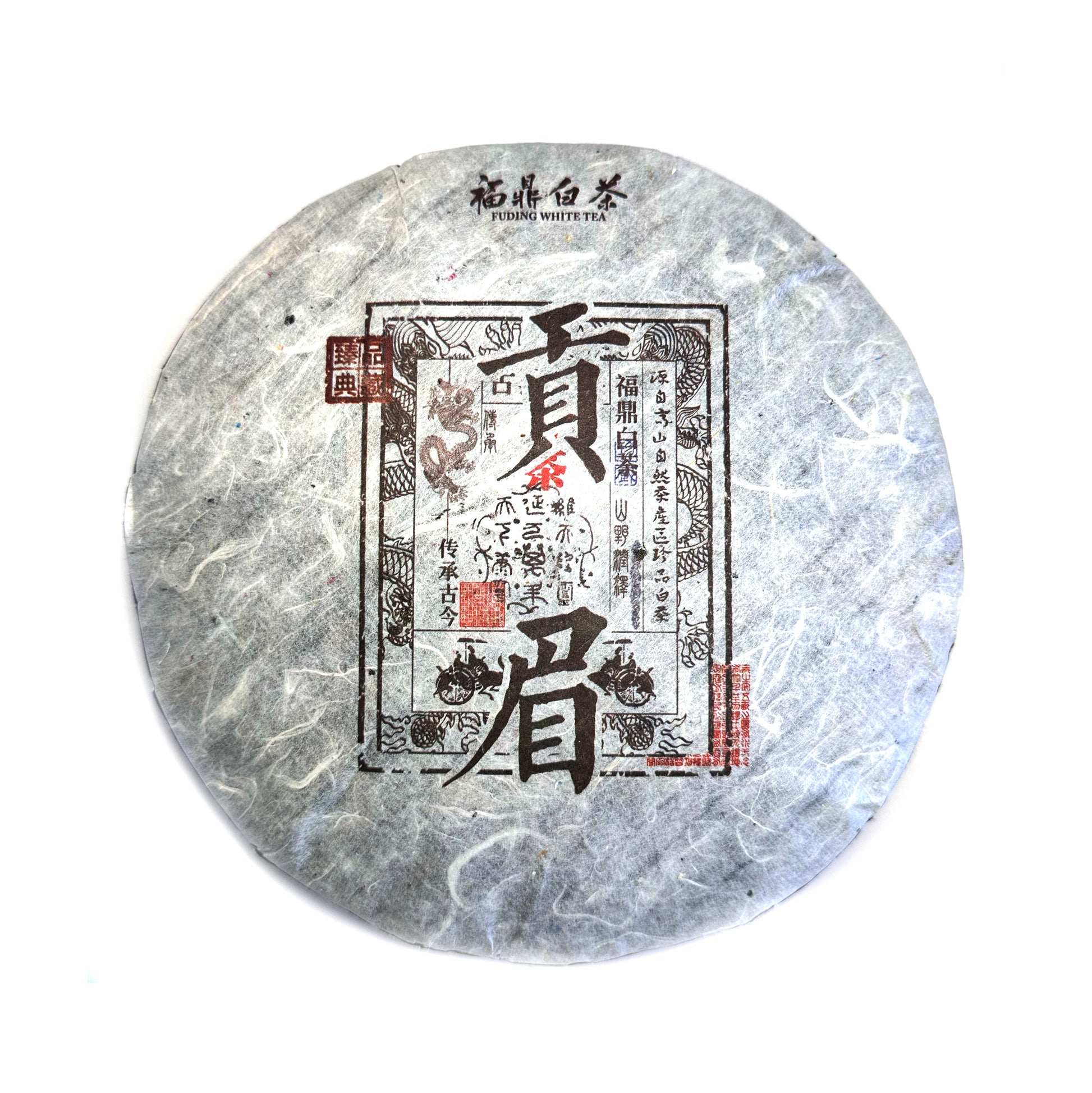
According to the grade and variety of the raw materials, white tea can be divided into Bai Hao Yin Zhen (白毫银针 White Hair Silver Needle), Bai Mu Dan (白牡丹 White Peony), Shou Mei (寿眉 Longevity Eyebrow), and Gong Mei (贡眉 Tribute Eyebrow).

How Is White Tea Made?

The core of white tea processing involves just two steps: withering and drying. Unlike many other types of tea, white tea is not pan-fired or rolled, which helps preserve the tea leaves’ natural flavor. After the fresh leaves are picked, they are spread out and allowed to slowly lose moisture through natural ventilation, usually for 36–72 hours. Tea makers adjust the process according to the weather: on sunny days, the leaves may be withered under sunlight, while on rainy days, they are withered indoors with good ventilation, usually at around 20–25°C (68–77°F). During withering, the leaves undergo mild oxidation, which helps develop the delicate floral aroma and fresh, refreshing taste characteristic of white tea.

After withering, the leaves enter the drying stage. Because they still contain a significant amount of moisture, the leaves need to be dried to stabilize their quality and prevent mold or spoilage. Drying is generally carried out at around 80–90°C (176–194°F), with the final moisture content reduced to approximately 5–7%. Common drying methods include electric drying and charcoal drying. Charcoal drying provides more even heat and can be beneficial for the tea’s long-term aging and transformation, although it is generally slower and less efficient.

Fresh White Tea vs. Aged White Tea

New white tea and aged white tea are mainly distinguished by how long they have been stored. Generally, white tea stored for less than three years is considered new white tea, while tea aged for more than three years is considered aged white tea. As white tea ages, its appearance, aroma, flavor, and even the preferred brewing methods can change noticeably.

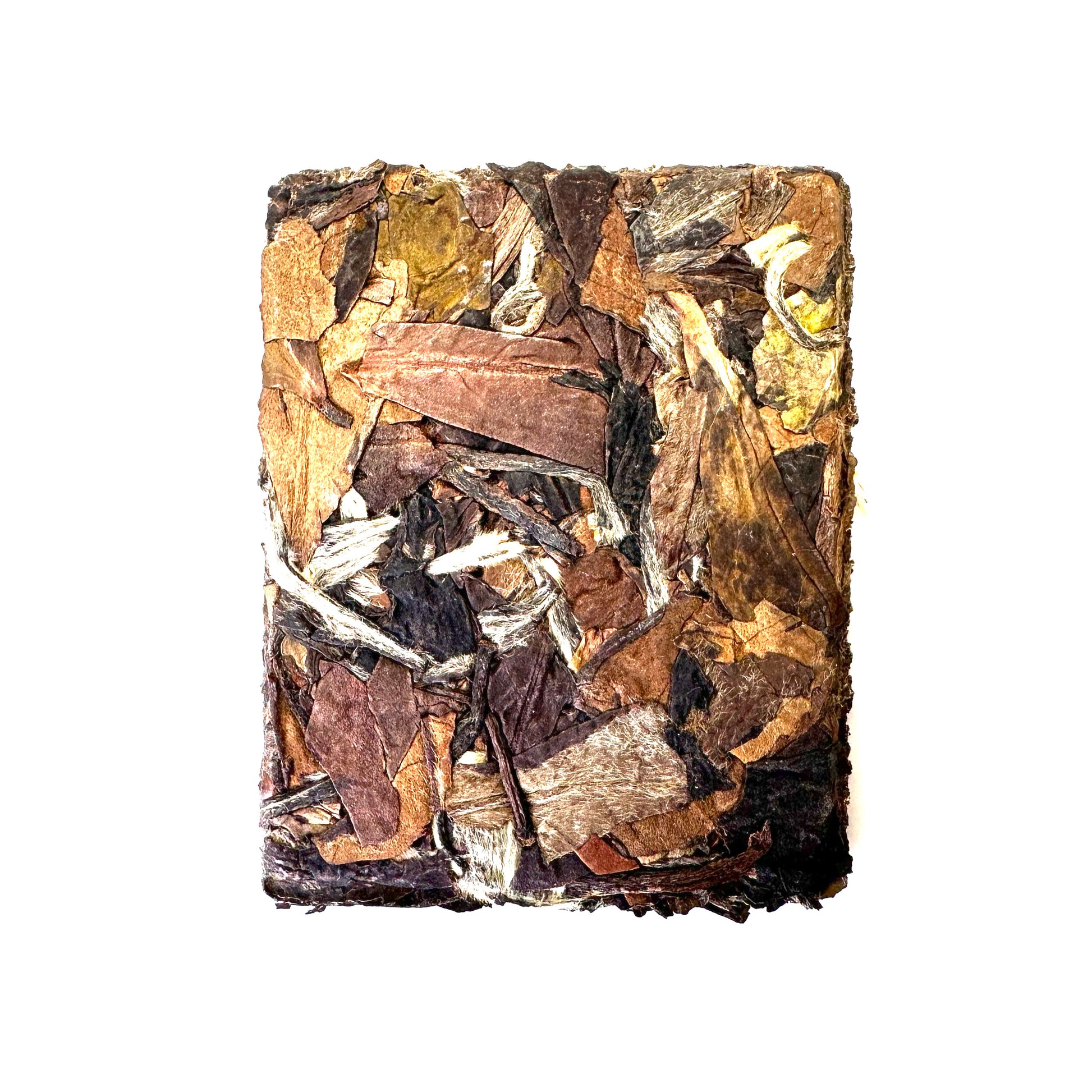
In terms of appearance and color, new white tea is usually greenish, bright, and fresh-looking, with clearly visible white hairs on the leaves. It has a fresh appearance, like a bamboo forest in spring. Aged white tea gradually becomes darker over time, developing yellowish-brown or coppery tones. Its overall appearance becomes deeper and more mature, like a forest in autumn.

When it comes to aroma and flavor, new white tea often has a fresh tea aroma with noticeable floral notes. It tastes fresh, light, and naturally sweet, with a refreshing character. Aged white tea develops deeper aromas such as aged and herbal notes. Well-aged Shoumei may also develop a pleasant date-like aroma. The tea liquor tends to become smoother, fuller, and richer with age.

In terms of brewing and drinking experience, new white tea is well suited to brewing in a gaiwan, which highlights its fresh and refreshing character. Aged white tea is generally more resilient through multiple infusions and is also excellent when simmered or boiled. It produces a deeper-colored tea liquor with a fuller, smoother, and more comforting taste.

Simply put, new white tea is like a young person—fresh, lively, and refreshing; aged white tea is like an experienced elder—mature, mellow, and full-bodied. Both have their own unique character, so there is no absolute better or worse.

How to Brew White Tea?

White tea is best brewed with boiling water, and a white porcelain gaiwan is the best choice. It does not absorb aromas, allowing the natural flavor of the tea to come through. Both new and aged white tea can be brewed this way. A 110 ml gaiwan is a good size for beginners. For a simple option, you can also use a glass cup with 2–3 grams of tea, which lets you watch the leaves slowly open. Aged white tea and Shoumei can also be simmered for a richer and smoother tea liquor.

White tea generally benefits from a high brewing temperature. Good-quality white tea can be brewed with 100°C (212°F) boiling water, while very delicate buds can be brewed at a slightly lower temperature. For a 110 ml gaiwan, use about 5 grams of dry tea, with a tea-to-water ratio of roughly 1:20. Filtered or bottled mineral water is recommended, as tap water with a strong chlorine taste may affect the tea’s aroma.

To avoid bitterness, the key is to pour the tea out quickly. For the first few infusions, pour within about 5–7 seconds after adding the water. Avoid long steeping, and drain the gaiwan completely after each infusion so the next brew does not become too strong. For white tea aged more than three years, especially Shoumei, you can also simmer 3–5 grams of tea for 3–5 minutes. This creates a fuller tea liquor and brings out deeper aged aromas, such as dried date and herbal notes.

How to Choose the Right White Tea

When buying white tea, there are three main things to look for: Is the tea dry enough? Does it smell clean, without any off-odors? And does it taste fresh and natural? These three things can help you avoid most common mistakes when choosing white tea.

First, take a look at the color, shape, and dryness of the tea leaves. Good white tea should have a natural color, and different types look different. Silver Needle is usually covered with fine white hairs and has a silvery-gray appearance. White Peony is often grayish-green and looks fresh and vibrant. Shoumei is usually more yellow-brown in color. If the leaves look unnaturally bright green or very dark and shiny, it's worth taking a closer look. Good dry tea should be quite dry and should break easily when you gently squeeze it. You should also hear a light, crisp rustling sound when you shake the tea, and the stems should snap cleanly when broken. If the leaves feel soft, flexible, or a little damp, the tea may not have been dried properly. After brewing, good-quality tea leaves should still look soft, lively, and flexible, with clear veins. Leaves that are hard, very dark, or crumble easily may be a sign of lower quality.

Next, smell the tea. The dry leaves should smell fresh and clean, with notes such as a delicate floral, herbal, or natural tea aroma. There shouldn't be any musty, sour, or moldy smells. After brewing, you can also smell the lid of the gaiwan and the bottom of the cup. New white tea usually has fresh floral and delicate aromas, while aged white tea may develop deeper notes such as dried dates, herbs, and aged tea. Good white tea should have a clean, natural, and long-lasting aroma. If you notice a strong, sharp sour smell or an overly intense and unnatural aroma, be careful—it could be tea that has been artificially aged or heavily processed.

Finally, pay attention to the origin and brand when you buy white tea. In general, it’s a good idea to choose tea from major white tea regions such as Fuding and Zhenghe in Fujian, China. Since tea is an agricultural product, the local climate, soil, and environment—the terroir—can have a big influence on the quality and character of the tea.